About us
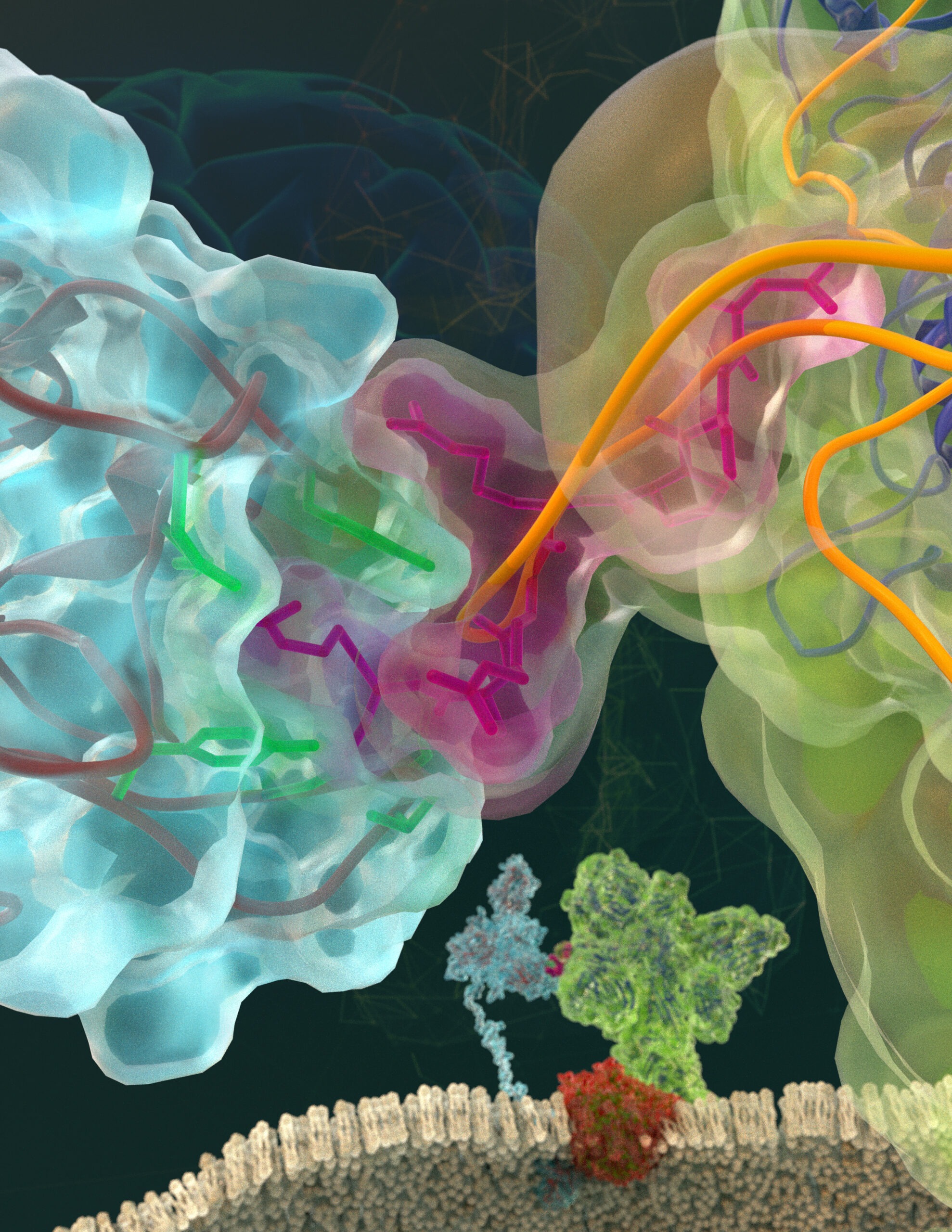
The Laboratory of Precision and Nanomedicine of Institute of Biomedicine and Translational medicine of University of Tartu (“The Teesalu Laboratory”) develops next-generation therapeutics that are smarter, safer, and more effective. Our mission is to transform today’s most difficult diseases — cancer, neurological disorders, chronic pain, and immune-related conditions — into treatable targets through precision therapies.
Using in vivo peptide phage display, we discover homing peptides that recognize molecular “ZIP codes” in tissues and use them to guide drugs, biologics, and nanoparticles exactly where they are needed. This strategy boosts potency, reduces side effects, and creates new opportunities for early detection and treatment.
Through cross-disciplinary studies, we are advancing diagnostics and therapies for aggressive solid tumors — including glioblastoma, breast, prostate, ovarian, and colorectal cancers — while pioneering peptide shuttles that cross the blood-brain barrier to deliver complex payloads for neurological diseases.
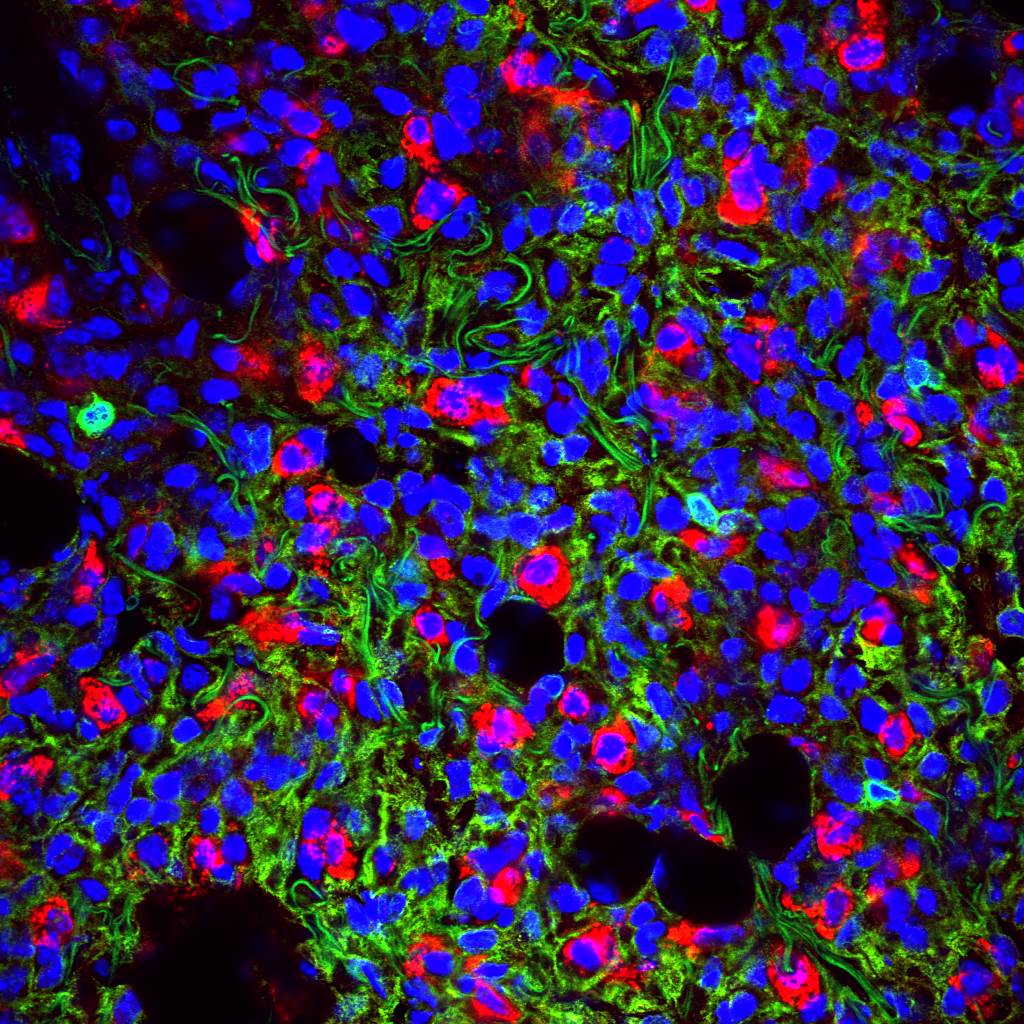

Collaborations with top research groups worldwide are at the core of our work. Postdocs play a central role in advancing high-risk, high-reward projects and mentoring the next generation of scientists. Through international networks such as MSCA, EuroNanoMed, TRANSCAN, and Estonian Research Council mobility programs, our lab regularly hosts visiting scholars and collaborators, creating a vibrant exchange of ideas and expertise. Our recently awarded European Research Council (ERC) Synergy Grant brings together leading teams from Italy, France, and the UK to uncover the molecular, cellular, and biomechanical principles of the neurovascular interface of peripheral nerves.
Publications
- LSTA1-GBM-2A: study protocol for an exploratory phase 2a randomised controlled trial evaluating tumour-homing peptide certepetide with temozolomide in glioblastoma multiforme
- LinTT1-Functionalized Hybrid Lipid-Polymer Nanoparticles for Glioblastoma Targeting
- Peptide-targeted nanoparticles for tumor therapy
- Targeting oncofetal fibronectin and neuropilin-1 in solid tumors with PL2 peptide
- Advancing Cancer-Targeted Nanotherapies with Tumor Homing Peptides
- Identification of splenic IRF7 as a nanotherapy target for tele-conditioning myocardial reperfusion injury
- Screening of homing and tissue-penetrating peptides by microdialysis and in vivo phage display
- Peptide-Drug Conjugate for Therapeutic Reprogramming of Tumor-Associated Macrophages in Breast Cancer
- Effects of LinTT1-peptide conjugation on the properties of poly(ethylene glycol)-block-(ε-caprolactone) nanoparticles prepared by the nanoprecipitation method
- A Cyclic Peptide Targets Glioblastoma by Binding to Aberrantly Exposed SNAP25


Our work is supported by the ERC, the European Commission, the Estonian Research Council, and other international and private funding agencies committed to advancing translational biomedical innovation. A full overview of our current and past projects is available in the Estonian Research Information System.
We believe these focused, cross-disciplinary efforts are shaping a future where treatments are not only more powerful but precisely delivered — redefining what is possible in medicine.